
What Is an Automatic Water Feeder and How Does It Work?
March 04, 2026
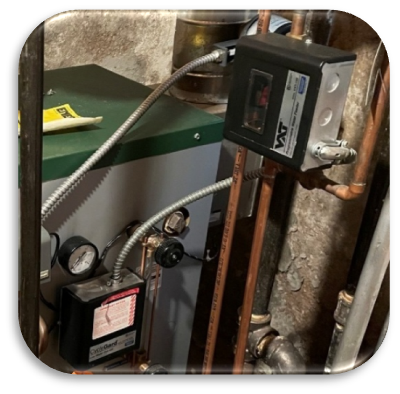
An automatic water feeder maintains optimal water levels in steam heating systems. This device keeps water levels consistent, preventing damage caused by dry operation. Without an automatic water feeder, it’s more likely for boilers to overheat, leading to system failures, costly repairs, and safety hazards.
- What is an automatic water feeder?
- How does an automatic water feeder work?
- Benefits of using an automatic water feeder
- Common issues with automatic water feeders
- When to seek professional help
Automatic water feeders improve the efficiency and lifespan of heating systems while simplifying homeowner maintenance. Instead of manually checking and adding water yourself, the system regulates itself for seamless operation and energy efficiency year-round.
Having Issues with Your Boiler? Call Ranshaw Now!
Whether you have an improperly functioning water feeder or any other issue with your boiler — trust Ranshaw's trained technicians for fast, reliable service. We repair all types of steam and hot water boilers with honest, upfront pricing and on-time scheduling, keeping your boiler running safely and efficiently.
What Is an Automatic Water Feeder?
An automatic water feeder is a device that regulates water levels in heating systems, particularly in steam and hot water boilers, to prevent damage. This device eliminates manually refilling equipment by automatically adding water when the level drops below a certain threshold, providing the appropriate amount of water needed for optimal performance.
Simply put, boilers rely on water to generate heat. If water levels drop too low, the system risks overheating, leading to burnouts or cracked boiler components. Conversely, adding too much water can flood the heating system causing leaks and/or loud banging noises in the boiler and pipes. Automating the water level control process prevents these issues.
How Does an Automatic Water Feeder Work?
An automatic water feeder monitors and maintains the correct water level within a heating system using sensors and valve mechanisms. First, the boilers low water cutoff device measures the boiler's water level, and if it falls below the preset threshold, the feeder activates a valve that lets water enter the system.
Once the water level reaches the correct level, the feeder automatically shuts off the water to prevent overfilling. Some modern automatic water feeders also have safety shutoff functions that prevent excessive water intake if a sensor malfunctions for added peace of mind.
Benefits of Using an Automatic Water Feeder
Investing in an automatic water feeder enhances your home in several important ways:
- Convenience. Without an automatic water feeder, homeowners must frequently check water levels and manually add water to maintain system performance. Using a feeder automates the process for consistent, hassle-free performance.
- Safety. Low water levels can severely damage boilers and risk safety. Boilers can overheat and explode when water runs dry, putting your family in danger. Even worse, a lack of water in a gas boiler can cause potentially deadly carbon monoxide leaks.
- Efficiency. Automatic water feeders optimize water levels, letting boilers run at peak efficiency. This results in lower energy consumption, fewer heat fluctuations, and reduced operational costs.
- Longevity. By preventing dry firing, reducing wear and tear, and avoiding mineral buildup, automatic water feeders help boilers last longer with fewer breakdowns during use.
Common Issues With Automatic Water Feeders
Like any mechanical device, automatic water feeders can develop issues over time. Routine professional inspections help identify and resolve issues before they lead to expensive repairs or system failures, so consult with Ranshaw if you suspect a problem.
Some common issues include:
- Overfilling or underfilling. Faulty sensors, stuck valves, or incorrect calibration can cause these issues. Avoid this by regularly inspecting sensors and ensuring proper water level settings.
- Scaling or sediment buildup. Hard water minerals accumulate over time, leading to potential blockages and reduced efficiency. Regularly descaling and performing suggested system maintenance keeps devices running smoothly
- Leaks. Wear and tear on valve components can cause leaks and malfunctions. To prevent this, replace worn-out valves and gaskets to maintain proper operation.
When to Seek Professional Help
If you notice persistent problems with your automatic water feeder, contact the professionals at Ranshaw. Signs your unit may require expert attention include:
- Excessively fluctuating water levels
- Unusual hissing and banging noises
- Frequent cycling
- Leaks or rust around the feeder or pipes
- Feeder activation failure or overfilling
Ensure Your Heating System Runs Smoothly — Contact Ranshaw for Professional Help!
Prevent costly system failures due to issues with your automatic water feeder. Call Ranshaw for repairs and installation. We service most boiler brands to ensure your heating system operates at peak performance. With 60+ years of experience and a 4.8/5 star rating on Google, we do the job right the first time.